
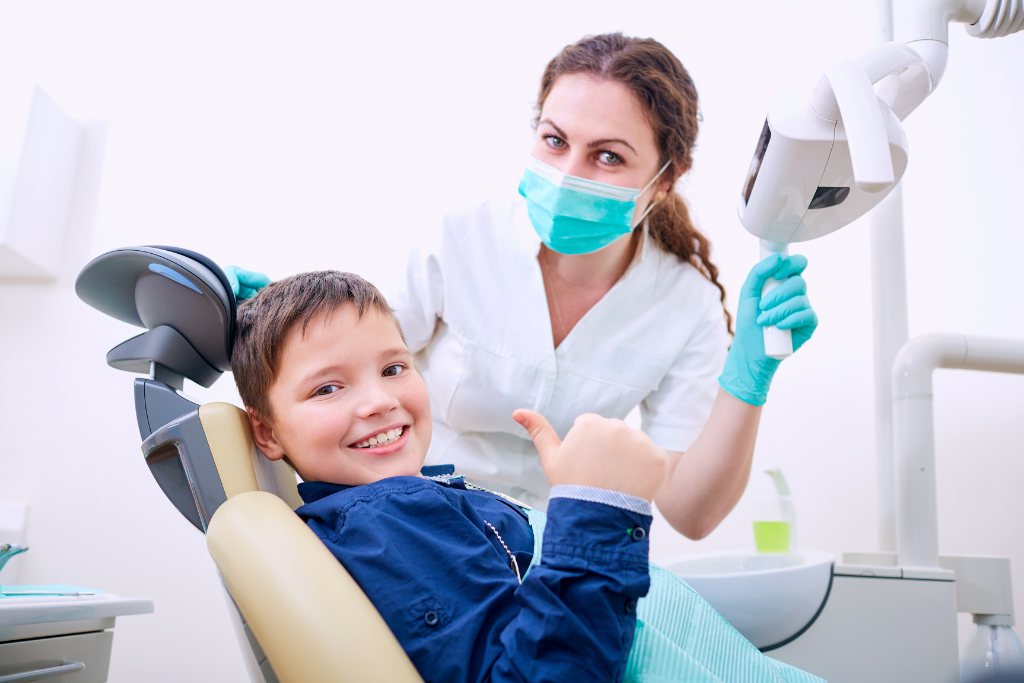
As parents, we spend a lot of energy making sure our children eat well — but how often do we connect those food choices directly to their teeth? At Bealeton Family Dentistry, we see the impact of diet on children’s oral health every single day. The truth is, what your child eats plays just as important a role in protecting their smile as brushing and flossing does.
In this guide, we’ll walk you through the science of nutrition and dental health, explain which foods are your child’s best allies, identify the ones to watch out for, and share practical tips to keep young smiles healthy for years to come.
Why Nutrition Matters for Growing Teeth
Children’s teeth — both primary (baby) and permanent — are actively developing from infancy through adolescence. During this window, the nutrients your child consumes directly influence enamel strength, jaw bone density, and the healthy eruption of teeth.
According to the American Academy of Pediatric Dentistry (AAPD), dietary habits established in early childhood set the foundation for lifelong oral health. Deficiencies in key nutrients such as calcium, phosphorus, and vitamins D and C have been directly linked to weaker enamel, delayed tooth development, and increased susceptibility to tooth decay.
At Bealeton Family Dentistry, we take a whole-health view of your child’s smile. During every checkup, our team reviews not just their teeth and gums, but also asks about dietary patterns — because a child’s mouth tells us a lot about what’s happening throughout their growing body.
The Nutrients That Build Strong, Healthy Teeth
1. Calcium
Calcium is the single most important mineral for tooth structure. It strengthens the enamel — the protective outer layer of the tooth — and supports healthy jawbone density. Without adequate calcium, teeth become more vulnerable to erosion and fractures.
Best sources: Milk, cheese, yoghurt, fortified plant-based milks (oat, almond, soy), leafy greens such as kale and broccoli, and almonds.
2. Phosphorus
Phosphorus works alongside calcium to mineralise and harden enamel. Research published in the Journal of Dental Research confirms that children with sufficient phosphorus intake show greater resistance to cavities.
Best sources: Eggs, fish, lean meats, dairy products, beans, lentils, and whole grains.
3. Vitamin D
Vitamin D is the gateway nutrient — without it, the body cannot absorb calcium efficiently. Vitamin D deficiency is one of the most common nutritional gaps in children globally, and it directly increases the risk of tooth decay and enamel hypoplasia (incomplete enamel formation).
Best sources: Sunlight exposure, fortified milk and cereals, fatty fish (salmon, tuna), and egg yolks.
4. Vitamin C
Vitamin C is essential for gum health. It supports collagen production in the gum tissue and helps prevent gingivitis. Children who are low in vitamin C may show signs of swollen or bleeding gums — often dismissed as “just how their gums are.”
Best sources: Citrus fruits, strawberries, bell peppers, kiwi, and tomatoes. Note: these are slightly acidic, so encourage your child to rinse with water after eating them.
5. Fluoride
While technically a mineral rather than a traditional “nutrient,” fluoride deserves a mention here. Naturally present in water and many foods, fluoride remineralises weakened enamel and inhibits the bacteria responsible for tooth decay. Our team at Bealeton Family Dentistry assesses every child’s fluoride exposure during routine visits and can recommend professional fluoride treatments when appropriate.
Foods That Harm Your Child’s Teeth
Sugar: The Primary Culprit
When your child eats sugar, the bacteria naturally present in their mouth feed on it and produce acid. This acid attacks tooth enamel repeatedly — especially when sugary foods or drinks are consumed frequently throughout the day. The CDC reports that tooth decay remains the most common chronic disease in children in the United States, and diet is a central driver.
The biggest offenders include: candy, gummies, cookies, sugary cereals, flavoured yoghurts, juice drinks, sports drinks, and sodas. Many parents are surprised to learn that even “healthy” snacks like dried fruits and granola bars can be highly cariogenic (cavity-causing) because of their concentrated sugar content and sticky texture.
Sticky and Starchy Foods
Crackers, white bread, chips, and similar starchy foods break down into simple sugars in the mouth very quickly. When these foods stick to the tooth surface or get lodged between teeth, they create prolonged acid exposure — a recipe for cavities.
Acidic Beverages
Citrus juices, sports drinks, flavoured waters, and carbonated drinks — including sparkling water — have a low pH that erodes enamel directly, even before bacteria get involved. Encourage your child to drink plain water between meals and save juice for mealtimes only.
Building a Smile-Friendly Diet: Practical Tips for Parents
You don’t need to eliminate every treat from your child’s life — moderation and timing matter far more than perfection. Here’s what we advise our families at Bealeton Family Dentistry:
Limit snacking frequency. Every time your child eats — especially carbohydrates or sugars — an acid attack on their enamel lasts around 20 minutes. Three structured meals with one or two planned snacks is far better for teeth than continuous grazing.
Swap sugary drinks for water. Make water the default drink between meals. If your child enjoys flavour, try lightly infused water with cucumber or mint rather than juice or flavoured drinks.
Choose tooth-friendly snacks. Cheese, raw vegetables, plain nuts, and apple slices stimulate saliva flow, which naturally buffers acid and washes food particles away from teeth.
End meals with dairy. A small piece of cheese at the end of a meal neutralises the pH in the mouth and coats teeth with a protective calcium layer — an old trick backed by solid research.
Make water the post-snack habit. After sugary or acidic foods, have your child drink or rinse with water rather than brushing immediately, which can spread acid across enamel.
Read labels carefully. Many foods marketed as child-friendly — fruit pouches, flavoured oat bars, “vitamin” gummies — are loaded with added sugars. Check the sugar content before adding them to your child’s routine.
The Connection Between Baby Teeth and Permanent Dental Health
We often hear parents say, “They’re just baby teeth — they’ll fall out anyway.” In our experience at Bealeton Family Dentistry, this is one of the most important misconceptions we address.
Primary teeth serve as space holders for permanent teeth. When baby teeth are lost early due to decay, neighbouring teeth can drift into the gap, creating crowding and alignment problems that may require orthodontic treatment later. Beyond that, untreated decay in baby teeth can spread to the bone and affect the developing permanent teeth beneath.
Nutrition-driven protection of primary teeth is not just about comfort now — it’s an investment in your child’s permanent smile.
How Bealeton Family Dentistry Supports Your Child’s Oral Health
At Bealeton Family Dentistry, we are proud to offer gentle, family-focused dental care to children and families across Bealeton, VA. Our team, led by Dr. Malik Usman and Dr. Abdul Majeed DDS, takes the time to understand each child’s unique oral health history, dietary habits, and any specific concerns you have as a parent.
During routine checkups, we perform comprehensive oral examinations, digital X-rays, professional prophylaxis (cleaning), and fluoride applications when needed. We also provide nutritional counselling as part of our preventive approach — because we believe the best dental care happens before a problem ever starts.
If your child has not had their first dental visit yet, or if it’s been more than six months since their last checkup, we would love to see them. You can reach us at 571-284-6424 or visit us at 11077 Marsh Road, Bealeton, VA 22712.
When to Bring Your Child In
The AAPD recommends a child’s first dental visit by their first birthday or within six months of the first tooth erupting — whichever comes first. After that, twice-yearly visits are standard for most children, though some may benefit from more frequent care depending on their cavity risk.
Signs that your child may need a sooner appointment include: visible white spots or dark areas on teeth (early signs of decay), complaints of tooth sensitivity or pain, swollen or bleeding gums, or difficulty chewing. Don’t wait for a toothache — early intervention is always simpler, less stressful, and less costly than treatment after decay has progressed.
Frequently Asked Questions
Dental health is a concern from the very first tooth. Even before teeth appear, good nutrition supports enamel formation in utero. Once the first tooth erupts — typically around six months — dietary habits directly affect decay risk. The sooner you establish healthy eating patterns, the better.
Fruit juice contains natural sugars and acids that can erode enamel and feed cavity-causing bacteria, even when it's 100% juice. The American Academy of Pediatrics recommends no juice at all for children under 12 months, no more than 4 ounces per day for ages 1–3, and no more than 4–6 ounces per day for ages 4–6. Whole fruit is always a better choice, as it contains fibre that slows sugar absorption and takes longer to eat, reducing prolonged enamel exposure.
For most children who consistently drink fluoridated tap water, the systemic fluoride exposure is sufficient. However, children at higher risk for cavities may still benefit from professional fluoride varnish applications during dental visits. At Bealeton Family Dentistry, we assess each child individually and recommend fluoride treatments based on their specific decay risk, not a one-size-fits-all approach.
Absolutely. Brushing and flossing remove plaque and food debris but cannot compensate for structural weaknesses caused by nutritional deficiencies. Enamel that did not mineralise properly due to low vitamin D or calcium is inherently more porous and susceptible to decay — regardless of how diligently your child brushes. This is why we ask about diet and overall health during every visit.
We often recommend cheese, plain yoghurt (unsweetened), raw vegetables such as carrots and celery, hard-boiled eggs, and plain nuts (for children old enough to eat them safely). These foods are low in sugar, stimulate saliva, and provide calcium and phosphorus that actively support enamel. Avoid dried fruit, granola bars with added sugars, and crackers as regular snacks.
Building a Lifetime of Healthy Smiles
A healthy smile starts long before your child ever sits in a dental chair. The foods and drinks they consume every day either build up or break down the foundation of their oral health. As a parent, you have more power than you might realise to protect your child's teeth — and we're here to support you every step of the way.
At Bealeton Family Dentistry, we combine evidence-based dentistry with a genuinely caring approach to give every child the best possible start for a lifetime of healthy smiles.


