
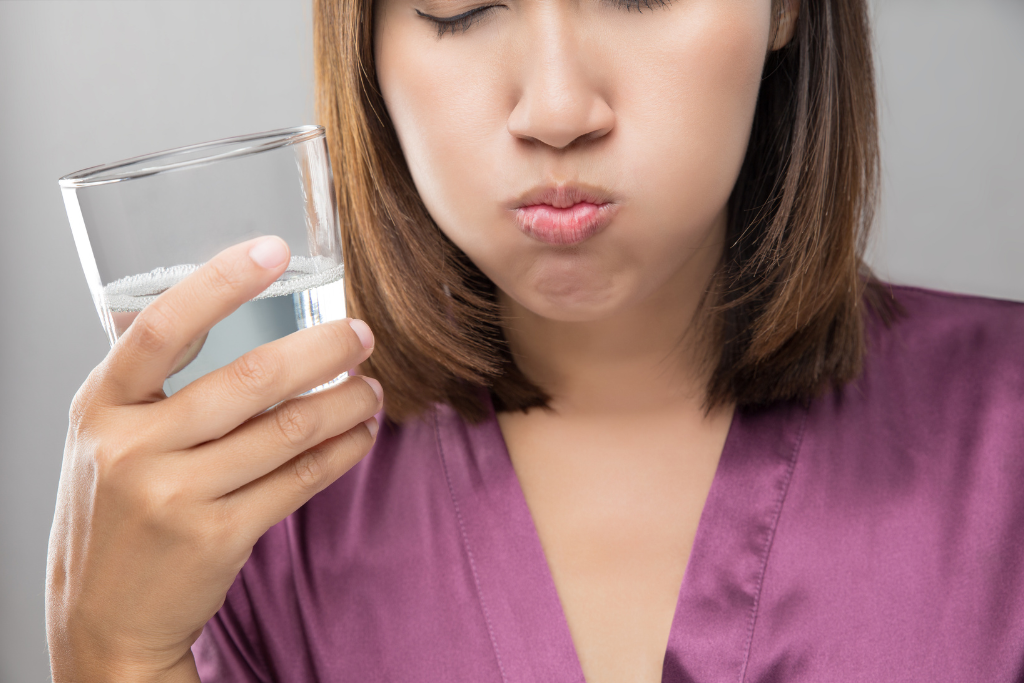
Walk through the oral-care aisle at any supermarket or pharmacy and you will find shelves filled with mouthwash. Some promise fresher breath, while others are designed to help control plaque, gingivitis, cavities, or sensitivity.
But do you really need mouthwash?
For some people, mouthwash can be a useful addition to an oral hygiene routine. For others, it may not be necessary every day.
The important point is that mouthwash is an addition to brushing and cleaning between your teeth, not a replacement for either one. The American Dental Association states that mouthrinse may provide additional benefits for some people but does not replace proper brushing and interdental cleaning.
What Is Mouthwash?
Mouthwash, also called mouthrinse, is a liquid product used to rinse the mouth.
Different mouthwashes contain different ingredients and are designed for different purposes.
Broadly, they fall into two categories:
Cosmetic Mouthwash
Cosmetic mouthwash is primarily intended to temporarily improve breath freshness or leave a pleasant taste.
It can make your mouth feel cleaner, but it does not necessarily address the underlying causes of cavities or gum disease.
Therapeutic Mouthwash
Therapeutic mouthwash contains active ingredients designed to provide a specific oral health benefit.
Depending on the formulation, it may help:
- Reduce plaque
- Control gingivitis
- Reduce bad breath
- Reduce the risk of tooth decay
- Provide relief for dry mouth
- Support certain patients with specific dental conditions
The ADA notes that therapeutic mouthrinses are available both over the counter and by prescription, depending on their ingredients.
Is Mouthwash Necessary?
For most people, the foundation of a good oral hygiene routine is straightforward:
- Brush twice a day with fluoride toothpaste.
- Clean between your teeth daily.
- Eat a balanced diet and limit sugary foods and drinks.
- Visit your dentist regularly.
Mouthwash can be an additional tool rather than an essential replacement for these habits.
Some patients may benefit more from a specific type of mouthwash based on their oral health needs.
For example, a dentist may recommend a therapeutic mouthrinse for someone who has an increased risk of gum disease or cavities.
What Can Mouthwash Help With?
Fresh Breath
Some mouthwashes can temporarily reduce unpleasant breath and leave your mouth feeling fresher.
However, persistent bad breath can sometimes be linked to an underlying dental or medical issue. If bad breath continues despite good oral hygiene, speak with your dentist rather than simply masking it with mouthwash.
Plaque and Gingivitis
Certain therapeutic mouthrinses contain antimicrobial ingredients that can help reduce plaque and gingivitis when used alongside brushing and cleaning between the teeth.
Mouthwash should not be viewed as a substitute for physically removing plaque with a toothbrush and interdental cleaning.
Cavity Prevention
Some mouthrinses contain fluoride and may be recommended for people with an increased risk of tooth decay.
Your dentist can determine whether a fluoride mouthrinse is appropriate for you.
Can Mouthwash Replace Flossing?
No. A toothbrush and mouthwash cannot completely replace cleaning between your teeth.
Food particles and plaque can accumulate in spaces that a toothbrush cannot adequately reach. Daily interdental cleaning helps address these areas.
If traditional flossing is difficult, your dentist can recommend alternatives such as interdental brushes or other cleaning tools based on your needs.
Should You Use Mouthwash Before or After Brushing?
There is not one universal sequence that applies to every mouthwash.
Some products have specific instructions based on their ingredients, so read the label carefully and follow your dentist’s recommendations.
The ADA notes that the order can depend on the products being used because certain toothpaste ingredients can interact with ingredients in some mouthrinses.
If you are unsure how to incorporate mouthwash into your routine, ask your dentist or dental hygienist.
Can Children Use Mouthwash?
Mouthwash is not generally recommended for children younger than six unless a dentist specifically directs its use.
Young children may accidentally swallow mouthwash because their swallowing reflexes are still developing. Some products may also contain alcohol, making accidental ingestion particularly concerning.
Parents should always follow the product’s age recommendations and their child’s dentist’s guidance.
What About Alcohol-Free Mouthwash?
Alcohol-free mouthwash is available and may be preferred by some patients.
The best mouthwash is not necessarily the one with the strongest sensation or most intense flavour. What matters is whether the product is appropriate for your particular oral health needs.
If you experience dry mouth, sensitivity, gum problems, recurrent cavities, or another oral health concern, discuss your options with your dentist.
How to Choose a Mouthwash
When selecting a mouthwash, consider:
- Why you want to use it
- Whether you need fluoride
- Whether you have gum disease or increased cavity risk
- Whether you experience dry mouth
- Your dentist’s recommendations
- The product’s active ingredients
- Age recommendations and usage instructions
The ADA recommends looking for products with the ADA Seal of Acceptance when available. The Seal indicates that the manufacturer has provided evidence supporting the product’s safety and effectiveness for its stated purpose.
When You Should Talk to Your Dentist
Mouthwash can be helpful, but it cannot diagnose or treat every dental problem.
Schedule a dental appointment if you experience:
- Persistent bad breath
- Bleeding gums
- Swollen or tender gums
- Tooth sensitivity
- Persistent tooth pain
- Loose teeth
- Frequent cavities
- Dry mouth
- Changes in the appearance of your mouth
These symptoms may indicate that you need more than an oral rinse.
Your Oral Hygiene Routine Should Be Personalised
There is no single oral-care routine that works identically for everyone.
At Bealeton Family Dentistry, we consider your individual oral health, comfort, dental history, and treatment needs when discussing preventive care. Our team provides preventive cleanings and examinations as well as periodontal, restorative, endodontic, and cosmetic services.
If you are unsure whether mouthwash belongs in your daily routine, we can help you determine whether it offers a meaningful benefit for your smile.
Final Thoughts
So, do you really need mouthwash? Not necessarily. But it can be useful for some people.
Mouthwash can provide additional benefits for certain oral health concerns, but it should never replace brushing twice a day with fluoride toothpaste or daily cleaning between your teeth.
The right oral-care routine depends on your individual needs. If you are unsure which products are right for you, speak with your dentist.
At Bealeton Family Dentistry , we are committed to helping patients make informed decisions and maintain healthy smiles through personalised, gentle dental care.


