
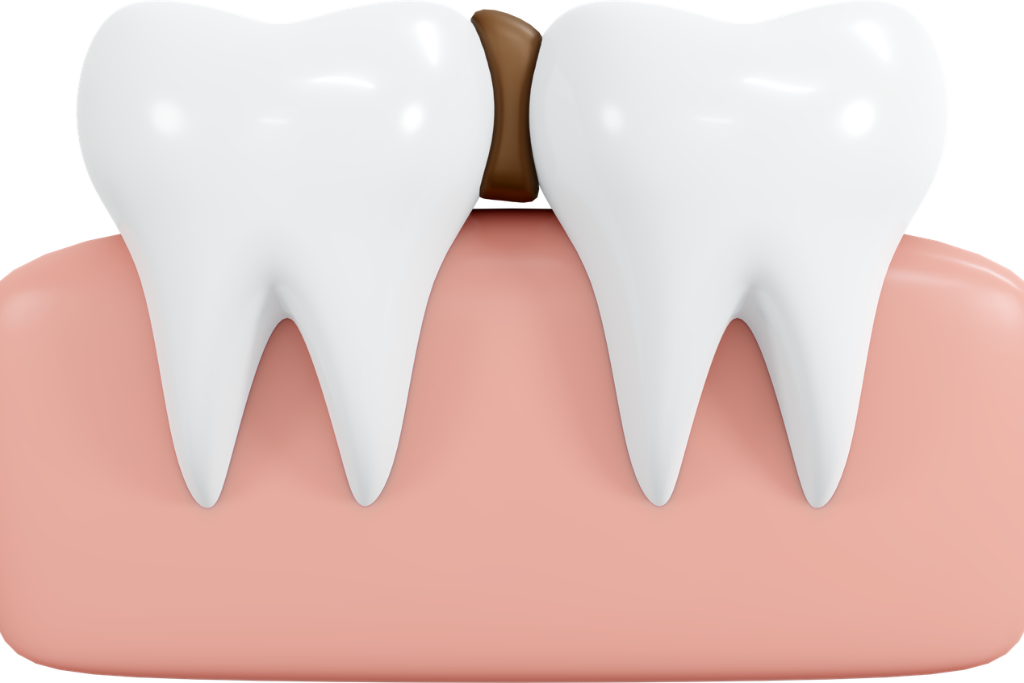
A gap between the teeth, clinically referred to as a diastema, is one of the most common cosmetic concerns we see at Bealeton Family Dentistry. Whether the gap is between your two front teeth or scattered across multiple areas of your smile, it can affect both the appearance of your teeth and, in some cases, how they function. The good news is that you have more treatment options than ever before, and we are here to walk you through every one of them.
What Causes Gaps Between Teeth?
Before choosing a treatment, it helps to understand why the gap is there. Gaps can form for several reasons:
- Genetics: Some people simply inherit a wider jaw or smaller teeth, which leaves natural spacing between them.
- Oversized labial frenum: The piece of tissue that connects your upper lip to your gums (the frenum) can sometimes be large enough to push the two front teeth apart.
- Gum disease: Periodontitis can cause bone loss around teeth, leading them to shift and create gaps.
- Thumb sucking or tongue thrusting in childhood: Prolonged habits can push teeth forward or apart over time.
- Missing or undersized teeth: When a tooth is smaller than average or missing altogether, neighboring teeth may drift, creating visible spaces.
Understanding the cause matters because it influences which treatment is most appropriate. At Bealeton Family Dentistry, we always begin with a thorough examination before recommending any cosmetic or restorative solution.
Treatment Option 1: Dental Bonding
For small to moderate gaps, dental bonding is often the fastest, most affordable solution. We apply composite resin to the sides of the teeth adjacent to the gap, carefully sculpt it to close the space, and harden it with a curing light. The entire process can often be completed in one appointment, and results are immediate.
Bonding works best when the gap is relatively narrow (generally under 2 to 3 mm per tooth). It is not suitable for closing very large gaps, as making the teeth significantly wider with resin can result in proportions that look unnatural. Our team at Bealeton Family Dentistry will give you an honest assessment of what bonding can and cannot realistically achieve for your specific gap.
Treatment Option 2: Porcelain Veneers
When the gap is larger or when a patient also wants to address other cosmetic concerns such as discoloration, chips, or uneven edges, porcelain veneers are often the most comprehensive solution. Veneers cover the entire front surface of the tooth, allowing us to reshape and resize teeth in a way that closes the gap while also creating a more uniformly beautiful smile.
Veneers are a great fit for patients who are looking for a complete smile upgrade rather than a targeted single-tooth fix. They last fifteen to twenty years or more with proper care and are highly stain resistant. At Bealeton Family Dentistry, our cosmetic consultations help patients weigh whether veneers or bonding represent the better long-term investment for their specific situation.
Treatment Option 3: Orthodontic Treatment
If the gap is caused by actual misalignment of the teeth or jaw, cosmetic procedures alone may not be the most appropriate solution. In these cases, orthodontic treatment physically moves the teeth into the correct position, closing the gap structurally rather than just cosmetically.
Clear aligner therapy (such as Invisalign) is a popular choice for adults who want to close gaps without the visual impact of traditional metal braces. Aligners are removable, nearly invisible, and generally require fewer in-office visits than conventional orthodontics. Treatment time varies depending on the complexity of the case but typically ranges from six months to two years.
We often refer patients to a trusted orthodontic partner when aligner therapy is the recommended route, and we coordinate your care to make sure the process is as smooth as possible.
Treatment Option 4: Dental Implants (for Gaps Caused by Missing Teeth)
If a gap exists because a tooth is missing rather than because the existing teeth are spaced apart, the treatment approach is entirely different.
A dental implant is a titanium post surgically placed into the jawbone, onto which a custom crown is attached. Implants are the gold standard for replacing missing teeth because they preserve bone, look and feel natural, and can last a lifetime with proper care.
At Bealeton Family Dentistry, we offer comprehensive treatment planning for patients with missing teeth and can coordinate implant placement and restoration to give you a fully functional, gap-free smile.
Treatment Option 5: Dental Bridges
A dental bridge is another option for replacing a missing tooth and closing the resulting gap. A bridge consists of a false tooth (a pontic) anchored to crowns placed on the teeth on either side of the gap. Bridges are fixed, meaning they cannot be removed, and they restore both appearance and chewing function.
Bridges are sometimes preferred over implants when patients want to avoid a surgical procedure or when bone density is insufficient for implant placement. Our team will walk you through the advantages and trade-offs of each option.
Treatment Option 6: Frenectomy
If a large labial frenum is the cause of the gap between your two front teeth, a frenectomy may be recommended either as a standalone procedure or in combination with orthodontic treatment or bonding. A frenectomy involves gently removing or repositioning the frenum. The procedure is quick and minimally invasive, and recovery is typically very smooth.
This is particularly common in children and teens, where a frenectomy combined with orthodontic treatment can produce lasting results that close the gap permanently.
How We Choose the Right Treatment at Bealeton Family Dentistry
During your consultation at our Bealeton office, we assess the size and cause of the gap, the health of your surrounding teeth and gums, your aesthetic goals, and your budget. We never recommend more treatment than you need, and we always take the time to explain every option clearly so you can make the decision that feels right for you.
Frequently Asked Questions
In children, small gaps sometimes close naturally as permanent teeth come in. In adults, however, gaps do not close on their own and typically require treatment if you want to address them.
Not always. Many gaps are purely cosmetic and have no impact on dental health. However, gaps caused by gum disease or missing teeth can have functional consequences and should be evaluated by a dentist. At Bealeton Family Dentistry, we assess each case individually and are always transparent about what is cosmetic versus what is medically recommended.
Composite bonding for a gap typically lasts five to ten years before it may need to be refreshed. Regular checkups at Bealeton Family Dentistry help us monitor the condition of your bonding and address any wear early.
Most patients notice no significant change in speech or eating function. In fact, many patients report that closing a gap makes chewing feel more even. Your body adjusts quickly to the new tooth proportions.
For bonding and veneer procedures, there is very little to no discomfort. Orthodontic treatment may cause some soreness in the first few days after each adjustment as teeth begin to move, but this is mild and temporary.
Cost depends entirely on the size of the gap and the treatment required. Bonding is the most affordable option, generally ranging from $300 to $600 per tooth. Veneers, orthodontics, and implants involve higher investment. We discuss all cost options during your consultation at Bealeton Family Dentistry and can help you explore financing if needed.


