
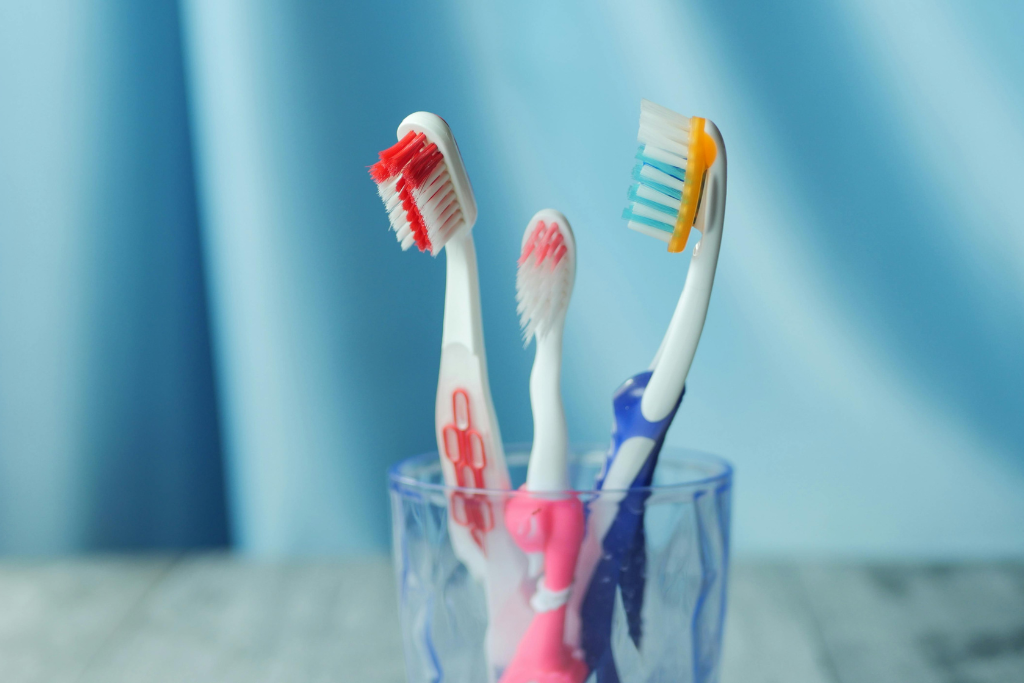
Choosing a toothbrush sounds simple until you walk into a store and see dozens of options. Manual toothbrushes have been a trusted part of dental care for generations, while electric toothbrushes now offer features such as built-in timers, pressure sensors, and different brushing modes.
So, is an electric toothbrush actually better than a manual one?
The answer is not quite as simple as choosing one over the other. Both manual and powered toothbrushes can effectively clean your teeth when used correctly. The best choice depends on your brushing technique, comfort, dexterity, dental needs, and consistency. The American Dental Association recommends brushing twice a day for two minutes with fluoride toothpaste using either a manual or powered toothbrush.
At Bealeton Family Dentistry, we believe dental care should be personalised to each patient. Understanding the differences between toothbrush options can help you make a choice that supports your long-term oral health.
How Does a Manual Toothbrush Work?
A manual toothbrush relies entirely on your hand movements to remove plaque, food particles, and debris from the surfaces of your teeth.
A good manual toothbrush should have:
- Soft bristles
- A comfortable handle
- A head that allows you to reach all areas of your mouth
- A design that makes it easy to clean around the gumline
The ADA recommends using a soft-bristled toothbrush and gentle pressure because aggressive brushing can contribute to gum irritation and damage.
The biggest advantage of a manual toothbrush is its simplicity. It does not require charging, batteries, or special settings. It is also inexpensive and easy to replace.
However, manual brushing requires you to control the movement, pressure, and timing yourself.
How Does an Electric Toothbrush Work?
An electric or powered toothbrush uses motorised movement to help clean the teeth. Depending on the model, the brush head may use oscillating, rotating, or other types of movement.
Some powered toothbrushes also include features such as:
- Two-minute timers
- Pressure sensors
- Different cleaning modes
- Automatic reminders
- Smaller specialised brush heads
These features can make it easier for some people to maintain consistent brushing habits.
The ADA notes that powered toothbrushes can be particularly useful for people who have difficulty with manual dexterity, including some older adults, people with disabilities, and children, as well as people with dental appliances such as braces.
Electric vs. Manual Toothbrush: Which Cleans Better?
Both can be effective.
The most important factor is not simply whether the toothbrush is electric or manual. Your brushing technique, frequency, duration, and consistency all matter.
Research has found that certain powered toothbrushes can provide greater plaque and gingivitis reduction than manual toothbrushes. However, the ADA continues to recognise both manual and powered toothbrushes as effective options when used properly.
In other words, buying an expensive electric toothbrush does not automatically guarantee a healthy smile.
If you use a manual toothbrush correctly for two minutes twice a day, clean between your teeth, use fluoride toothpaste, and attend regular dental appointments, you can maintain excellent oral hygiene.
Benefits of an Electric Toothbrush
1. Helpful for Consistent Brushing
Many electric toothbrushes include timers that help you brush for the recommended two minutes.
This can be especially helpful if you tend to rush through brushing.
2. Pressure Sensors Can Help
Some models alert you when you are brushing too hard.
This can be useful because excessive pressure can irritate the gums and contribute to dental wear.
3. Easier for Some Patients
People with limited hand or wrist movement may find a powered toothbrush easier to manage.
4. Useful for Certain Dental Appliances
Patients with braces or other dental appliances may find powered brushing helpful for cleaning around difficult areas.
Benefits of a Manual Toothbrush
1. Affordable and Accessible
Manual toothbrushes are widely available and generally cost less than powered alternatives.
2. No Charging Required
You can use one anywhere without batteries or a charging station.
3. Easy to Replace
The ADA recommends replacing toothbrushes approximately every three to four months, or sooner if the bristles become worn or frayed.
4. Effective When Used Properly
A manual toothbrush can remove plaque effectively when you use the correct technique and brush consistently.
Which Toothbrush Is Better for You?
There is no universal answer.
An electric toothbrush may be a good option if:
- You struggle to brush for a full two minutes
- You tend to brush too hard
- You have limited dexterity
- You wear braces
- You want additional brushing guidance
- You find powered brushing easier or more comfortable
A manual toothbrush may be suitable if:
- You have good brushing technique
- You prefer a simple routine
- You travel frequently
- You do not want to charge a device
- You can consistently brush for two minutes
Your dentist can also recommend a toothbrush based on your individual oral health needs.
Technique Matters More Than the Price Tag
Whether you use an electric or manual toothbrush, technique remains important.
The ADA recommends brushing twice a day for two minutes with fluoride toothpaste. Place the brush around the gumline and use gentle movements to clean the outer, inner, and chewing surfaces of your teeth.
Do not forget the areas that are easy to overlook, particularly the back teeth and the inside surfaces of your front teeth.
Brushing should also be combined with daily cleaning between your teeth because a toothbrush cannot effectively reach every interdental space.
When Should You Replace Your Toothbrush?
A common mistake is continuing to use a toothbrush long after the bristles have become worn.
Replace a manual toothbrush or powered toothbrush head approximately every three to four months. Replace it sooner if the bristles become visibly frayed, flattened, or damaged.
A worn brush may not clean as effectively as a new one.
Ask Your Dentist Which Option Is Right for You
Your toothbrush is only one part of your oral hygiene routine. Your individual dental history, gum health, sensitivity, restorations, orthodontic appliances, and brushing habits can all influence which products are most appropriate.
At Bealeton Family Dentistry, we take the time to understand each patient’s needs and explain dental care options clearly. Our practice provides preventive, restorative, periodontal, and cosmetic dental services with a focus on patient comfort and personalised care.
Whether you prefer a traditional manual toothbrush or want to switch to an electric model, our team can help you build a practical home-care routine.
Final Thoughts
So, which is better: electric or manual? Both can be excellent choices.
An electric toothbrush may offer additional assistance with plaque removal, timing, pressure control, or ease of use. A manual toothbrush can also provide effective cleaning when used correctly and consistently.
The most important thing is to brush twice a day for two minutes with fluoride toothpaste, clean between your teeth daily, and maintain regular dental visits.
If you are unsure which toothbrush is best for your smile, talk to your dentist. At Bealeton Family Dentistry , we are here to help you make confident decisions about your oral health.


