
A healthy smile is one of your most valuable assets — not only for appearance, but for overall wellbeing. While brushing and flossing at home are essential daily habits, they simply cannot replace the impact of regular professional dental cleanings.
These visits go far beyond surface cleaning. They prevent disease, protect your natural teeth, and play a major role in maintaining long-term health and confidence.
Many serious dental problems begin silently, without pain or visible signs.
Regular cleanings ensure those issues are detected early and treated before they become expensive, painful, and complicated.
Let’s explore why dental cleanings are such a powerful foundation for lifelong oral health.
Understanding What Dental Cleanings Really Do
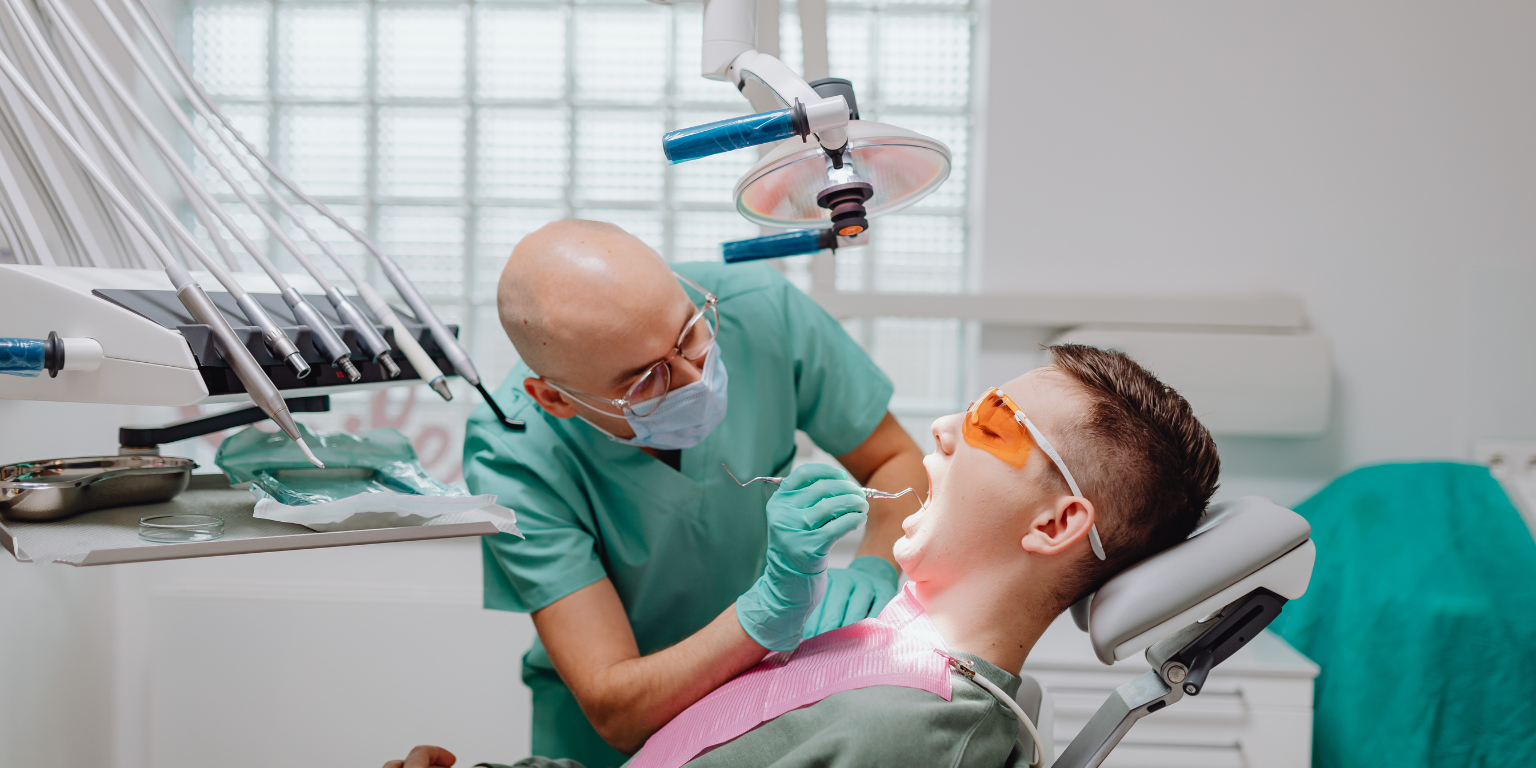
A professional dental cleaning is a preventive procedure performed by a dentist or dental hygienist to remove plaque, tartar, and bacteria that accumulate on the teeth and below the gumline.
Even with excellent home care, it is impossible to remove all plaque buildup on your own. Over time, this plaque hardens into tartar, which can only be safely removed with specialised dental instruments.
During a cleaning, your provider not only cleans your teeth but also evaluates your gums, enamel, and overall oral condition.
This allows potential problems such as cavities, gum disease, and early infection to be identified before they progress. Regular cleanings therefore act as both a treatment and a diagnostic tool for your oral health.
Plaque and Tartar: The Silent Threats to Your Smile
Plaque is a sticky film of bacteria that forms continuously on the teeth. If it is not removed regularly, it hardens into tartar within days. Tartar is especially dangerous because it traps bacteria against the teeth and gums, accelerating tooth decay and gum disease.
As bacteria multiply, they release acids that weaken enamel and irritate gum tissue. This irritation can develop into gingivitis, marked by redness, swelling, and bleeding gums.
Left untreated, gingivitis can progress into periodontitis — a severe gum infection that damages bone and can ultimately cause tooth loss. Regular dental cleanings interrupt this destructive cycle before it can do serious harm.
Preventing Tooth Decay and Cavities
Tooth decay does not happen overnight. It begins with enamel erosion caused by bacterial acids. Over time, tiny weak spots turn into cavities. Dental cleanings remove the bacterial sources of these acids and help strengthen enamel through fluoride treatments when needed.
Patients who maintain routine cleanings experience significantly fewer cavities over their lifetime.
Preventive care costs far less than restorative procedures such as fillings, crowns, or root canals. Simply maintaining a consistent cleaning schedule can protect both your smile and your wallet.
Protecting Your Gums from Disease
Healthy gums are the foundation of strong teeth. Dental cleanings play a critical role in preventing gum disease by removing plaque and tartar that accumulate beneath the gumline — areas your toothbrush and floss cannot fully reach.
When gum disease is caught early, it is fully treatable and reversible. Without routine cleanings, gum disease can advance unnoticed, leading to chronic infection, bone loss, loose teeth, and eventually tooth loss.
Regular cleanings preserve the stability and health of your gums for the long term.
Fresh Breath and Improved Confidence
Persistent bad breath is often caused by bacterial buildup below the gumline. Mouthwash and mints only mask the problem temporarily. Dental cleanings remove the root cause by eliminating bacteria and plaque deposits that contribute to unpleasant odors.
A cleaner mouth means fresher breath, and fresher breath builds confidence in social, professional, and personal interactions. Many patients notice a dramatic improvement in how their mouth feels and smells immediately after a professional cleaning.
Early Detection of Dental Problems
One of the greatest benefits of regular cleanings is early detection. During each visit, your dentist evaluates your teeth, gums, jaw, bite alignment, and oral tissues.
They can identify cavities, cracked teeth, gum disease, oral infections, and even early signs of oral cancer before symptoms appear.
Early diagnosis allows for simpler, less invasive, and more affordable treatment. It also greatly improves long-term outcomes. In many cases, problems detected early can be treated quickly and painlessly.
The Powerful Connection Between Oral Health and Overall Health
Oral health is closely connected to overall health. Inflammation in the mouth can affect the entire body. Research has shown links between gum disease and serious health conditions such as heart disease, diabetes, respiratory illness, and complications during pregnancy.
By maintaining regular dental cleanings, you reduce chronic inflammation and bacterial load in your body. This helps protect not just your teeth and gums, but your general health and wellbeing.
What Happens During a Professional Dental Cleaning
A typical dental cleaning appointment includes several important steps. Your hygienist first reviews your medical history and any changes in your health.
They then perform scaling to remove plaque and tartar from above and below the gumline. Next comes polishing to smooth the tooth surfaces and remove surface stains.
Your dentist then examines your teeth and gums, checks for any signs of disease or damage, and may take X-rays if needed.
Fluoride treatment may be applied to strengthen enamel and reduce cavity risk. Finally, you receive personalised guidance on brushing, flossing, and home care routines.
How Often Should You Schedule Dental Cleanings
Most people benefit from professional cleanings every six months. However, individuals with higher risk factors — such as a history of gum disease, heavy tartar buildup, diabetes, or smoking — may need more frequent visits every three to four months.
Your dentist will recommend the schedule best suited to your individual needs. Following this plan is one of the most effective ways to maintain lifelong oral health.
Maintaining a Healthy Smile Between Visits
Dental cleanings are most effective when combined with strong daily habits. Brushing twice daily with fluoride toothpaste, flossing once a day, eating a balanced diet, limiting sugary foods and drinks, and staying hydrated all support your professional care.
Replacing your toothbrush every three to four months and using antibacterial mouthwash when recommended further strengthens your defence against plaque and bacteria.
Final Thoughts: An Investment That Pays for Life
Regular dental cleanings are not a luxury — they are a necessity. They prevent disease, protect your natural teeth, support overall health, boost confidence, and save you time, money, and discomfort in the long run.
A healthy smile is built through consistency. By committing to regular cleanings and daily care, you create a foundation for lifelong oral health and lasting confidence.
Frequently Asked Questions
Most people should schedule a dental cleaning every six months. However, patients with gum disease, heavy plaque buildup, or certain medical conditions may benefit from more frequent visits.
Professional cleanings are generally comfortable and painless. Mild sensitivity may occur if there is significant buildup or gum inflammation, but the procedure is gentle and safe.
Yes. Regular cleanings remove plaque and tartar that cause gum disease and allow early detection before serious damage occurs.
Absolutely. By eliminating odor-causing bacteria below the gumline, cleanings are one of the most effective treatments for persistent bad breath.
No. While home care is vital, only professional cleanings can remove hardened tartar and thoroughly clean below the gumline.


